June 26, 2026 • Odalys Ferreira • 11 min reading time • Prices verified June 18, 2026
Cluster and Multi-Globe Chandeliers: Statement Fixtures That Don't Require a Statement Budget
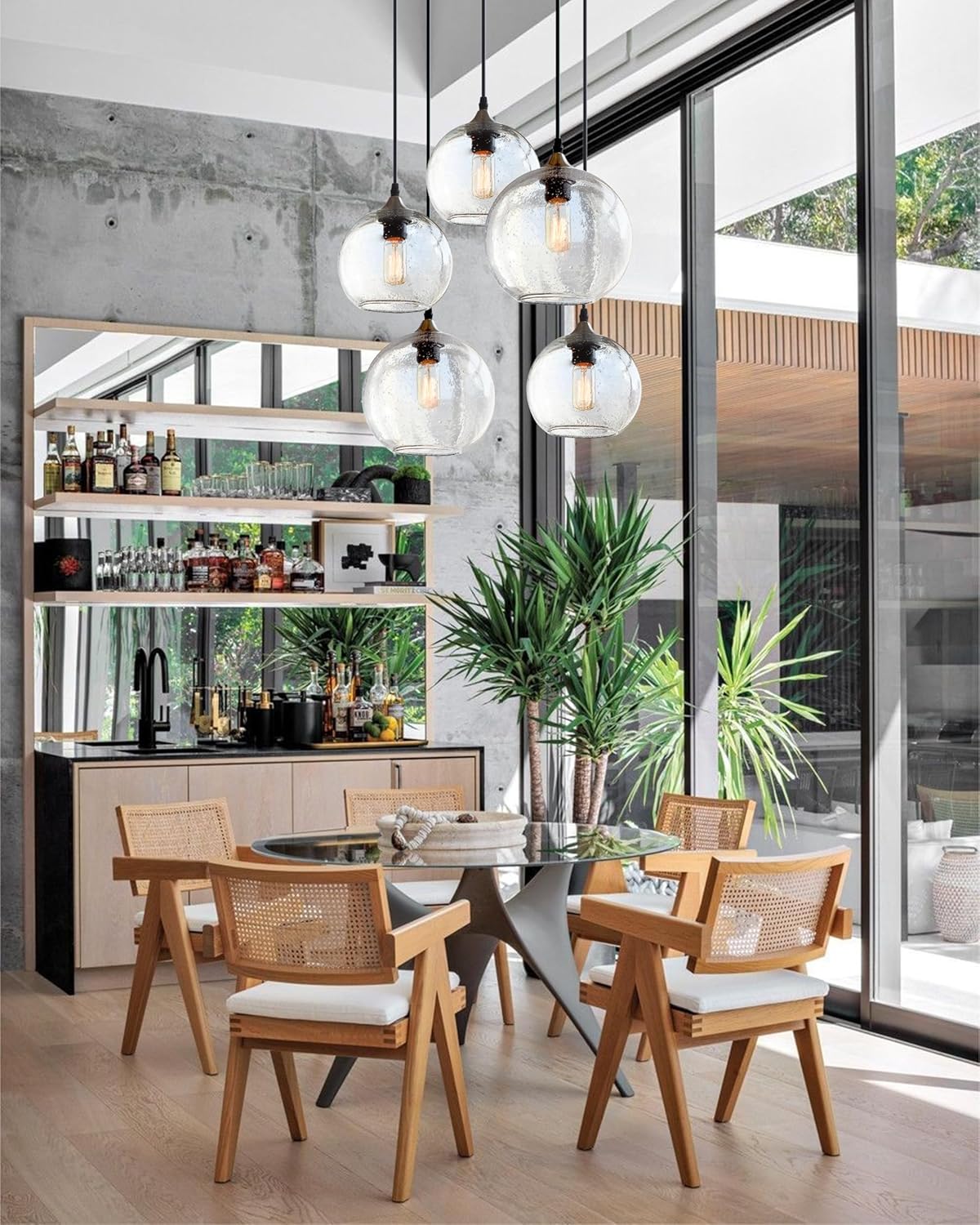
A cluster chandelier — the kind with multiple glass globes suspended at different heights from a single canopy (the flat ceiling plate everything attaches to) — is one of the fastest ways to make a room feel intentional. If a single pendant says “I picked something nice,” a five- or seven-globe cluster says “someone thought about this space.” The appeal is sculptural: you’re not just adding light, you’re adding movement, geometry, and a focal point that people comment on. The catch is that cluster fixtures carry assembly quirks that single-pendant installs don’t — and a few of those quirks, unchecked, will have your beautiful new chandelier hanging slightly crooked on the first night of your dinner party. This guide covers what to look for in the specs, what owners actually report after living with these fixtures, and how to make a clear go/no-go decision before you click buy.
| EDITOR'S PICKGlass Cluster Chandelier 5-Ligh… | Mid-tier[Wellmet Modern Glass Chandeliers](https://www.amazon.com/dp/B0B3LXQR6J?tag=greenflower20-20) | Budget pick[Design House Jelly Jar Indoor O…](https://www.amazon.com/dp/B07FK8RBJK?tag=greenflower20-20) | |
|---|---|---|---|
| Number of lights | 5 | — | 1 |
| Glass type | Seeded bubbles | Seeded | Ribbed clear |
| Width | 7-9 in | — | 4.8 in dia |
| Height | — | — | 5.9 in |
| Damp rated | — | — | ✓ |
| Dimmable | — | — | ✓ |
| Price | $257.50 | $160.54 | $17.05 |
| See on Amazon → | See on Amazon → | See on Amazon → |
What Makes a Cluster Chandelier Different (And Why That Changes the Install)
A standard pendant has one cord, one socket, one glass shade. A cluster chandelier multiplies all of that — typically 3 to 12 individual pendants, each with its own cord or rod, all terminating at a shared ceiling canopy. That shared canopy connects to a single junction box in your ceiling (the electrical box where the wiring lives), which means the fixture draws power the same way a single pendant does. The complexity isn’t electrical — it’s mechanical and visual.
The leveling problem is real. Because each globe hangs on its own cord, the weight distribution across the canopy matters. If four of your five globes are clustered to one side and one hangs out to the other, the canopy tilts. Owners of multi-globe cluster fixtures in this category consistently report that these pieces draw unprompted comments from guests — they earn that attention — but the practical lesson that surfaces repeatedly in the owner community is worth stating plainly: weigh your individual glass globes before assembly and pair heavier globes symmetrically around the canopy. Glass globes in a budget-to-mid-tier fixture aren’t always identical in weight, even within the same box. A small kitchen scale and five minutes of prep prevents a crooked hang.
Cord-length staging is where most people underestimate the time investment. The signature look of a cluster chandelier — globes cascading at different heights — requires you to intentionally set each cord at a different length while keeping the canopy itself level. This is harder than it sounds during a solo install. The most consistent complaint across cluster-fixture owner communities is cord-length management: you’re holding tension on multiple cords, trying to confirm the canopy is flush to the ceiling, while ensuring no two globes land at the same height. A second set of hands isn’t optional; it’s the install.
Matching Fixture Size to Your Space: The Numbers That Matter
Before diving into specific fixtures, a quick sizing framework — because getting this wrong is the most common mistake flagged in both Apartment Therapy’s “The Rules for Hanging a Chandelier Over a Dining Table” (2023) and Houzz’s “Chandelier Height and Sizing Guide” (2024).
By the Numbers
| Room dimension | Recommended fixture diameter | Clearance guideline |
|---|---|---|
| 8 × 10 ft dining room | 18–24 in | Bottom of fixture 30–36 in above table |
| 10 × 12 ft dining room | 24–30 in | Add 3 in per foot of ceiling above 8 ft |
| Open-plan living area | 30–36 in+ | 7 ft minimum from floor to bottom of lowest globe |
For a 24-inch bubble-ball chandelier specifically — a fixture with a large central globe or dense cluster that spans roughly two feet in diameter — Architectural Digest’s “How to Choose the Right Chandelier for Every Room” (2024) recommends a ceiling height of at least 9 feet for a dining room application, and 10 feet if the fixture has a dramatic vertical drop. In an 8-foot ceiling, a 24-inch bubble cluster can feel oppressive; in a 10-foot ceiling with a 7-foot clearance from floor to lowest globe, it reads as intentionally architectural.
Table sizing rule of thumb: A 5-globe cluster chandelier works best over a round or square dining table between 36 and 48 inches in diameter, or a rectangular table up to 60 inches long. Per Houzz’s “Chandelier Height and Sizing Guide” (2024), the fixture’s diameter should be 12 inches narrower than the table’s shortest dimension — so a 48-inch round table calls for a fixture no wider than 36 inches.
The Fixtures Worth Knowing, and What Owners Actually Report
The Bubble Ball Chandelier: Drama Per Dollar
The bubble ball cluster chandelier — a grouping of clear glass orbs in varying sizes, usually paired with a brass or matte black canopy — generates some of the most enthusiastic owner responses in this product category. “So stunning I bought two” is a genuine repeat-purchase pattern, not marketing copy. One owner describes the fixture as “absolutely massive” in the best sense, and notes that the manufacturer includes extra glass balls in the box as breakage insurance. That detail is both a selling point (they anticipated the problem) and a caution: glass globes in this size and style are fragile during shipping, and you should inspect each one before assembly rather than assuming all arrived intact.
The breakage-insurance globes also mean you have creative flexibility — some owners use the extras to add density to one quadrant of the cluster, amplifying the sculptural effect. If your ceiling height supports it and you want maximum visual impact over a large dining table or in a double-height entryway, this is the fixture that earns the “statement” label without a statement price.
Glass
$257.50
In stock on Amazon
Check price on AmazonThe Cluster Globe Fixture: The One That Gets Compliments
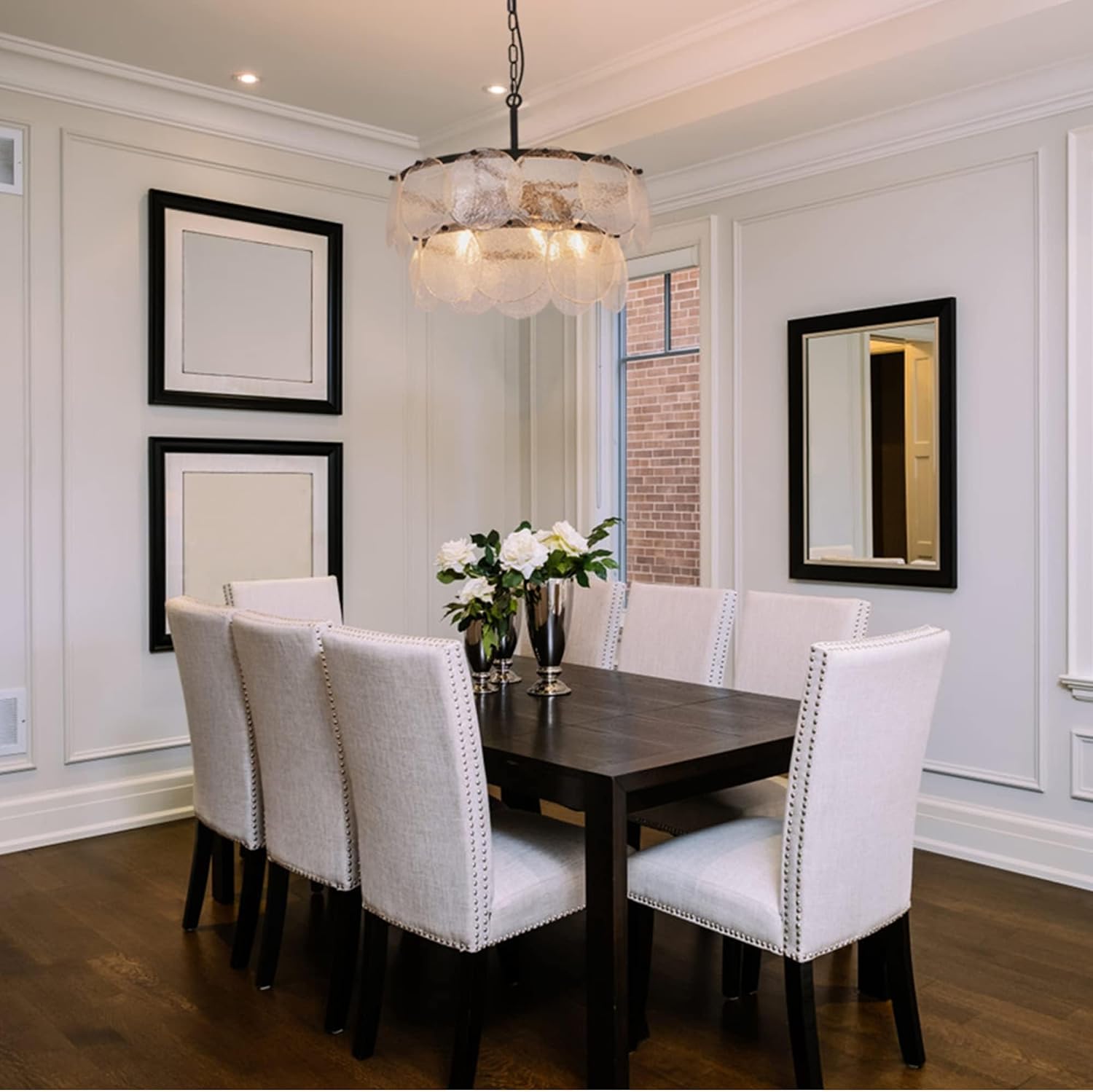
The mid-size cluster globe chandelier — typically 5 to 7 medium globes on adjustable cords, with a sleeker canopy profile — consistently generates a specific kind of owner review: guests comment on it without being prompted. That’s the clearest signal that a fixture is doing its job as a focal point. The assembly tip about weighing individual globes before hanging (mentioned above) comes directly from this fixture’s owner community and is the single most actionable piece of advice in the entire cluster-fixture category.
The Lighting Design Lab’s “Residential Luminaire Selection Guidelines” (2023) notes that multi-source fixtures — those with several bulbs — distribute light more evenly than single-source pendants, reducing harsh shadows in dining and living areas. A globe count in the five-to-seven range puts this fixture squarely in that category: the light it produces is warm and diffused, not a single bright pool.
Wellmet
$160.54
In stock on Amazon
Check price on AmazonThe Swaggable Cluster: For Renters and Non-Hardwired Spaces
A cord-hung cluster pendant designed for swag installation occupies an unusual niche. A rental apartment dweller documented swagging one of these fixtures — draping the cord from a ceiling hook to hang over a round dining table without any hardwiring — and it works. This is a legitimate installation method in rental contexts where you can’t touch the electrical box, and a generous cord length makes it viable. Two important cautions from the owner community: assembly is time-consuming (budget 90 minutes, not 30), and plastic bulb sockets can crack if Edison-style bulbs are overtightened. Hand-tighten only, and use LED Edisons (which run cooler and lighter than incandescent) to reduce stress on the socket.
If you’re a renter or designing a space where permanent hardwiring isn’t feasible, a fixture’s swag-ability is a meaningful differentiator. If you’re hardwiring, weigh the plastic socket concern against the price point before committing.
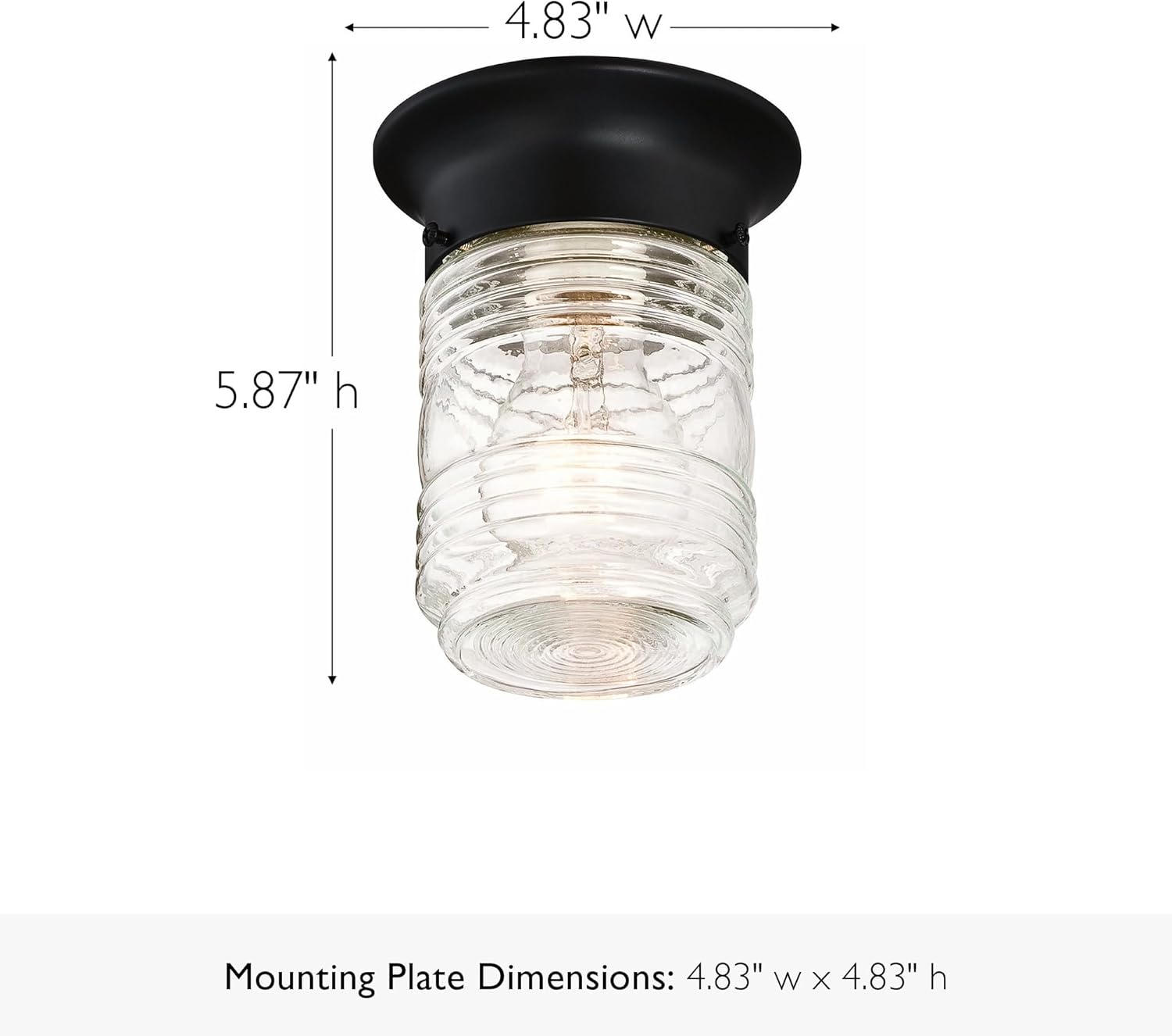
Design
$17.05
In stock on Amazon
Check price on AmazonThe Opal Globe Pendant Cluster: The “Looks Like RH” Option
Opal white globe pendant clusters — opal glass being the milky, light-diffusing finish that gives globes a soft glow rather than a clear sparkle — draw consistent comparisons to Pottery Barn and Restoration Hardware fixtures at a fraction of the price. Opal glass (also called opaline, distinct from milk glass in its translucency — it allows light to pass through softly rather than blocking it) is flattering in bedrooms, bathrooms, and dining rooms where you want warm ambiance without visible bulb glare.
Owners of rod-hung opal globe clusters specifically note that the adjustable rod sections make height calibration “genuinely easy” — a meaningful callout, because rod-hung fixtures are harder to fine-tune than cord-hung ones once you’ve committed to a length. If you’re hanging this over a table with a fixed height, measure carefully before assembly, but know the adjustment range gives you real flexibility. This style pairs especially well with warm-white LED bulbs in the 2700K range, which enhance the glow the opal glass is designed to produce.
Wellmet
$160.54
In stock on Amazon
Check price on AmazonDIY vs. Electrician: An Honest Decision Frame
This Old House’s “How to Install a Chandelier” (2024) is direct: if your existing ceiling box is rated for the weight of the new fixture and you’re comfortable working with a voltage tester and wire nuts, a standard chandelier swap is a DIY task. The go/no-go criteria:
- DIY-appropriate: Swapping an existing chandelier for one of similar or lesser weight, ceiling box already rated for chandelier use, comfortable with basic electrical safety (turn off the breaker, confirm with a non-contact voltage tester, match wire colors)
- Call an electrician: No existing fixture at that location (requires running new wire), ceiling box not rated for chandelier weight (many older boxes are fan-rated or pendant-rated, not chandelier-rated), or your local code requires permitted electrical work for new circuits
The assembly labor — sorting cords, staging heights, balancing globe weights — is 100% DIY regardless. The electrical connection is the only step with a meaningful skill threshold.
Frequently Asked Questions
How do I keep a cluster chandelier from hanging crooked? Weigh your individual glass globes before assembly — this tip comes directly from the owner communities of cluster fixtures, and it works. Pair heavier globes symmetrically around the canopy. During install, have a second person hold the canopy flush to the ceiling while you confirm level with a small bubble level before tightening the mounting screws.
What ceiling height do I need for a 24-inch bubble chandelier? Per Architectural Digest’s “How to Choose the Right Chandelier for Every Room” (2024), plan for at least 9 feet of ceiling height in a dining application, with the lowest globe no less than 30 inches above the table surface and at least 7 feet from the floor. In an 8-foot room, a 24-inch fixture will feel crowded; consider a smaller cluster or a fixture with a shorter overall drop.
Can I install a multi-globe chandelier myself or do I need an electrician? If you’re swapping an existing fixture at a location that already has a chandelier-rated electrical box, this is a confident DIY project. If there’s no existing fixture at the location, you need an electrician to run wire and install a proper box. Assembly of the fixture itself — staging cords, balancing globes — is DIY in either case. This Old House’s “How to Install a Chandelier” (2024) walks through the full swap process for homeowners comfortable with basic electrical safety.
How do I arrange the globe heights for a cluster chandelier? The conventional approach is to set the lowest globe at your target clearance height (30–36 inches above a dining table), then stagger the remaining globes upward in a loose cascade — no two at the exact same height, but without a rigid pattern. Asymmetry reads as intentional; perfect uniformity defeats the sculptural point of the cluster form.
Are the glass globes replaceable if one breaks during shipping or installation? It depends on the fixture. Some bubble ball cluster designs include extra globes in the box precisely because the manufacturer anticipates breakage — that’s the right answer to this problem. For any fixture, contact the retailer before purchasing to confirm replacement globe availability. Glass globes in a cluster fixture are the most fragile component and the most likely to need replacement over the fixture’s life.
What size dining table works best under a 5-globe cluster chandelier? A 5-globe cluster in the 24–30-inch diameter range pairs well with round or square tables between 36 and 48 inches, or rectangular tables up to 60 inches long. Per Houzz’s “Chandelier Height and Sizing Guide” (2024), keep the fixture’s diameter at least 12 inches narrower than the table’s shortest dimension to avoid the fixture visually overwhelming the table.
The Decision Rule
If you want maximum visual drama and your ceiling is 9 feet or higher, the bubble ball cluster is the move — the scale justifies itself and owners keep buying a second one. If you want something that earns guest comments without overwhelming a standard 8-foot ceiling, the mid-size cluster globe format with adjustable cords is the more calibrated choice. If you’re a renter or working without hardwiring access, the swaggable cluster opens up the form factor without requiring an electrician. And if your aesthetic runs toward soft, diffused warmth rather than clear-glass sparkle, the opal globe cluster is the fixture that makes people ask “is that from RH?” — which, depending on your goals, is either the highest compliment or the starting point for a longer conversation about value and sourcing.
The assembly labor is real across all of them. Budget the time, get a second person for the hang, and weigh your globes before you commit them to cords. Everything else is taste.